Can a refrigerator run and still not cool?
Yes. A refrigerator can have power, lights, and normal sound while still failing to move or maintain cold air where it needs to go.
Homeowner Knowledge Center
You usually notice this one at the worst possible time. You open the door for breakfast and the orange juice is not cold. Later that afternoon the cheese feels soft, and now you are trying to figure out whether this is a quick reset situation or the start of losing a refrigerator full of groceries.
A refrigerator can still look normal while failing where it matters most. The lights work. The display works. You can hear it running. None of that guarantees the food section is staying cold enough. What matters is what the compartments are actually doing and how fast things are changing.
Start here
If the refrigerator light is on and the motor still sounds alive, but the milk is warm and leftovers do not feel safe anymore, the issue is often airflow, frost buildup, a fan problem, a control issue, or another cooling failure that is not going to fix itself by dinner time. The useful first step is protecting the food, checking a few safe basics, and paying attention to how quickly the temperature is climbing.
Transparent service
The $89 service call, repair credit, warranty terms, and scheduling expectations should be clear before we begin.
Step 1
The $89 service call includes diagnosis of the appliance problem.
Step 2
If you proceed with the repair, the $89 is credited toward the repair total. You do not pay it twice.
Step 3
You receive the repair price before work begins.
Step 4
Repairs include a 90-day labor warranty and a 1-year warranty on installed OEM or equivalent-quality parts.
Step 5
We offer same-day appointments when scheduling and parts availability allow.
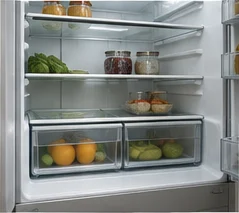
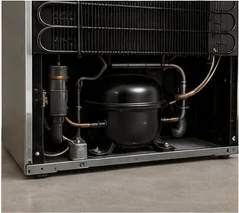
Milk is not as cold as it should be, freezer items start feeling soft, or the top shelf seems warmer than the bottom even though the refrigerator is still running.
The trouble might be airflow, heavy frost, a fan that is not moving cold air, a drain or defrost issue, or controls that are no longer managing temperature correctly.
If the temperature is clearly getting worse, groceries are at risk, or water is showing up under the unit, this is the kind of problem to take seriously right away.
A lot of refrigerator failures do not begin with a dramatic shutdown. The unit may still hum along like nothing is wrong while the fresh-food section slowly gets warmer. By the time you notice it, the lunch meat is questionable and the butter is softer than it should be.
Sometimes the freezer still seems colder than the refrigerator section. Sometimes both sections warm up together. Sometimes the ice maker quits first and gives you the earliest clue. Those details help narrow down what kind of cooling problem you are dealing with.
Start with the simple basics. Make sure the temperature setting was not bumped by accident. Check whether the doors are sealing well and whether anything inside is blocking vents. If the condenser area is visibly packed with dust and pet hair, that is worth noting too.
Look for heavy frost on the back wall of the freezer, standing water under the crispers, or a fan noise that sounds different than usual. What you are doing here is gathering clues, not taking the refrigerator apart. Once you are removing panels or handling electrical parts, you have moved past safe homeowner checks.
If food is warming up, do not keep opening the doors every ten minutes to check on it. That only makes the temperature swing harder. Save what you can, limit how often the doors open, and move anything important if the cooling is clearly slipping.
If the refrigerator is clicking, failing to cool, and showing signs that it may be overheating or leaking, it is smarter to stop treating it like a dependable appliance. At that point the goal is preventing food loss and getting a clear diagnosis.
An older refrigerator is not automatically done for just because it stopped cooling. Plenty of cooling complaints come down to one failed part or one problem in the airflow and defrost system. Sometimes a repair buys you years.
Replacement deserves a harder look when the refrigerator is older, has a history of uneven cooling, or the diagnosis points to a larger cost than the unit is worth to you. The honest answer depends on the actual failure, not a blanket rule.
The visit usually starts with the symptom you noticed first. Is the freezer still cold? Is the refrigerator warm on top but cooler on the bottom? Did the ice maker stop around the same time? Those homeowner details matter more than people think.
From there, the issue is diagnosed so you can decide whether the repair makes sense. If it does, the conversation stays focused on getting the refrigerator back to holding temperature instead of keeping you stuck in guesswork.
Yes. A refrigerator can have power, lights, and normal sound while still failing to move or maintain cold air where it needs to go.
That depends on how warm the unit has become and how often the doors are opened, but if the food section is obviously warming, it is better to act early than assume everything is still safe.
A brief reset may help you notice whether controls come back normally, but unplugging it is not a real fix for a cooling failure. If the temperature problem returns, the issue still needs diagnosis.
Call when the food is warming up, the freezer is softening, the unit is frosting over heavily, or you can tell the cooling problem is getting worse instead of better.
Use these links when you want more detail about a specific appliance, city, or repair question.
Start with the appliance overview, service area, and how to ask for service.
If your refrigerator is running but not getting cold, leaking water, frosting over, or making a new noise, the problem may involve airflow, defrost parts, fans, drains, controls, or another component that needs diagnosis. Premier Appliance Repair helps homeowners throughout our service area request service for common residential refrigerator problems.
If your dishwasher leaves dishes dirty, keeps standing water in the bottom, leaks onto the floor, smells bad, or refuses to start correctly, the problem may involve drainage, wash performance, the door, or the controls. Premier Appliance Repair helps homeowners throughout our service area request service for common residential dishwasher problems.
Premier Appliance Repair serves Rockwall homeowners with residential appliance repair for refrigerators, washers, dryers, dishwashers, ovens, ranges, and other common household appliances. Same-day service is available in most cases, and the easiest way to get moving is to send the symptom, the address, and the best number to reach you.
Premier Appliance Repair serves Dallas homeowners with residential appliance repair for refrigerators, washers, dryers, dishwashers, ovens, and other common household appliances. Same-day service is available in most cases, and the request process is built around getting you from “this thing quit working” to a clear next step without a lot of wasted back-and-forth.
Premier Appliance Repair provides residential appliance repair in Plano for kitchen and laundry appliances, including refrigerators, dishwashers, washers, dryers, ovens, and ranges. Same-day service is available in most cases, and homeowners can send the problem details online or call to confirm the best available appointment.
Send the appliance details, service address, and preferred contact method so Premier Appliance Repair can follow up with the best available scheduling option.